Home
/
Blog
/
Sustainable Physical Activity
Movement as Essential to Well-Being
Physical activity is integral to human health and well-being. Movement benefits cardiovascular health, supports musculoskeletal function, contributes to mental health, enhances social connection, and supports cognitive function. Beyond these physiological benefits, movement provides enjoyment, stress relief, and a sense of accomplishment.
"Physical activity is not a punishment for eating. It is a celebration of what our bodies can do and a foundation for lifelong health."
Beyond Exercise: Redefining Movement
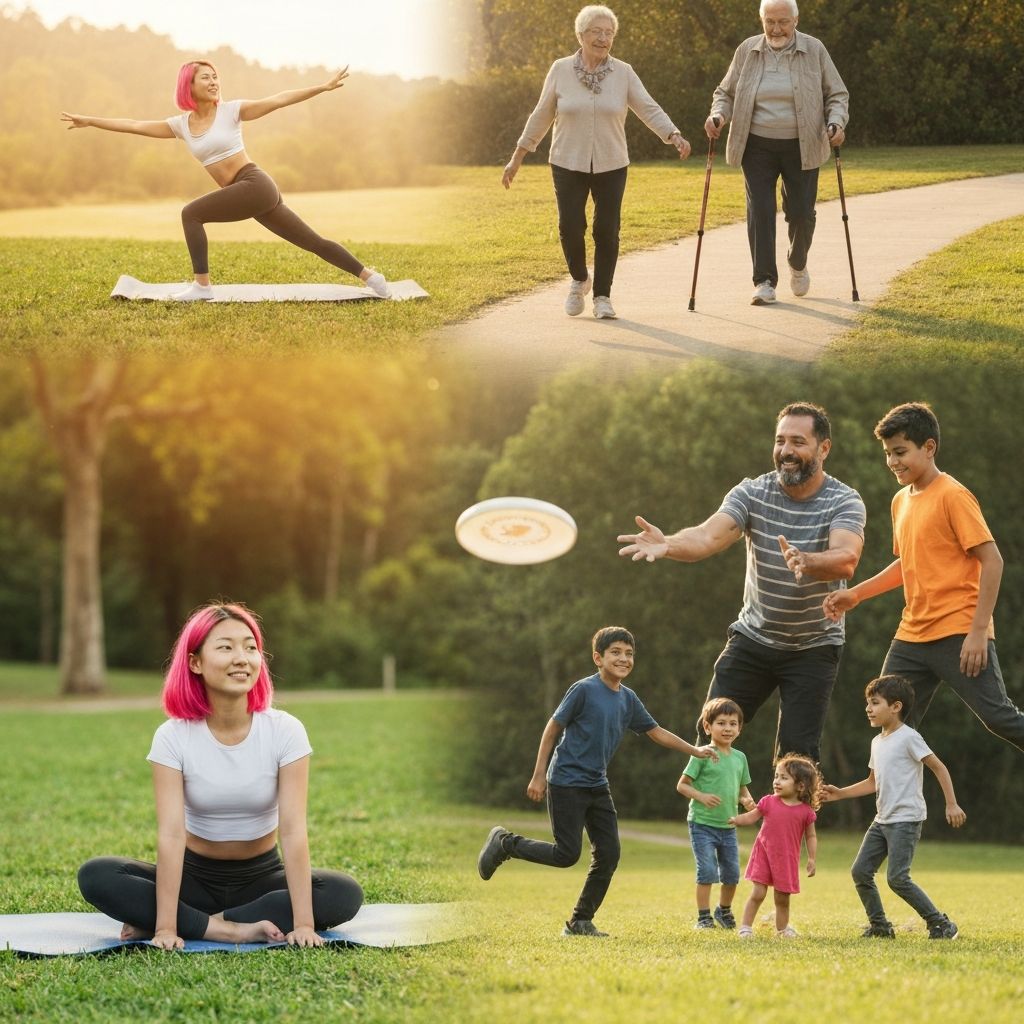
Physical activity encompasses far more than structured exercise. It includes daily movement: walking, gardening, household tasks, playing with children, dancing, occupational activities, and recreational pursuits. A holistic approach recognizes all forms of movement as contributing to overall activity levels and health.
Individual Differences and Preferences
People have diverse preferences, abilities, and contexts regarding physical activity. Some enjoy group sports, others prefer solitary exercise. Some have significant physical limitations. Some live in urban environments with excellent walkability, others in car-dependent areas. These differences are not barriers to address but rather aspects of human diversity to acknowledge and accommodate.
Sustainable physical activity is that which can be maintained over a lifetime, aligns with individual preferences and circumstances, and provides enjoyment alongside its health benefits. What is sustainable for one person may not be for another.
Mental Health and Social Benefits
Physical activity supports mental health by reducing anxiety and depression, improving mood, and enhancing cognitive function. Group-based activities provide opportunities for social connection and community belonging. Outdoor activity connects us with natural environments.
These psychological and social benefits are as important to overall well-being as the physiological impacts of activity. An approach to physical activity that emphasizes enjoyment and social connection is more likely to be sustained over time than one focused solely on physical outcomes.
Activity Across the Lifespan
Physical activity needs and possibilities change across the lifespan. Children benefit from play-based movement. Adolescents may engage in sports and recreational activities. Adults balance activity with work and family responsibilities. Older adults benefit from activity that maintains strength, balance, and functional capacity.
At each stage, sustainable activity is that which is safe, enjoyable, and realistic within one's circumstances. Recognizing these differences supports lifelong engagement with movement.